


7 Important Things to Check Before Buying a Property
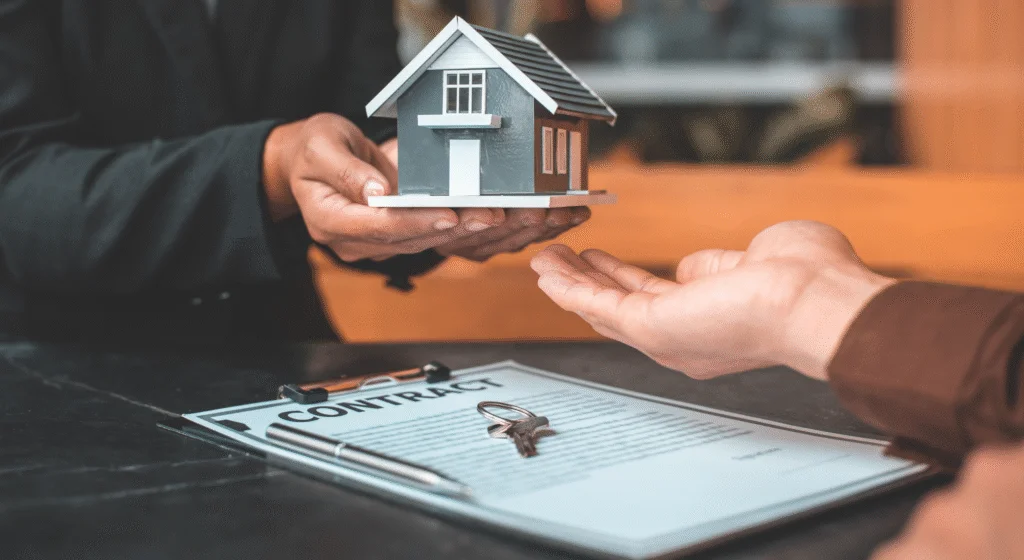
Buying a property is a dream for many people and one of the biggest investments they make in their lifetime. Whether you are planning to buy a residential plot, apartment, villa, or a rental property, it is important to make the right decision. A small mistake in property buying can lead to financial loss or legal complications in the future.
That is why buyers should carefully evaluate several factors before purchasing any property. With proper research and guidance from experienced real estate professionals, the property buying process can become much easier and safer.
Here are seven important things every buyer should check before purchasing a property.
1. Verify the Property Location
Location is one of the most important factors in real estate. A good location not only provides convenience for daily living but also increases the long-term value of the property.
Before buying property, buyers should check if the area has easy access to schools, hospitals, markets, and public transportation. Connectivity through roads and highways is also an important factor.
Properties located in developing areas often offer better investment opportunities because their value increases as infrastructure develops over time.
2. Check Legal Documents
Legal verification is a crucial step when buying property. Buyers should ensure that the property has clear ownership and proper documentation.
Some important documents include property title documents, government approvals, land use permissions, and sale agreements. If any legal document is missing or unclear, it may create problems in the future.
Working with trusted real estate professionals can help buyers verify documents and avoid legal risks.
3. Understand Your Budget
Before starting your property search, it is essential to define a clear budget. Many buyers focus only on the property price but forget about additional costs.
Some additional expenses include registration charges, stamp duty, maintenance costs, legal fees, and taxes. Having a realistic budget will help buyers choose a property that fits comfortably within their financial limits.
Planning finances properly also helps avoid financial pressure later.
4. Evaluate Future Development in the Area
Smart investors always look at the future potential of a property. Areas where new infrastructure projects such as highways, metro lines, commercial hubs, and educational institutions are planned usually see higher property value growth.
Buying property in such areas can provide better returns in the long run. Buyers should research government development plans and upcoming projects before making a decision.
5. Check the Builder or Developer Reputation
If you are buying a newly developed property or an under-construction project, it is important to check the reputation of the builder or developer.
A trusted developer usually delivers projects on time and maintains quality construction standards. Buyers should review the developer’s past projects and reputation in the market before investing.
This step helps avoid delays and construction-related issues.
6. Inspect the Property Carefully
Before finalizing the purchase, buyers should personally inspect the property. This includes checking construction quality, ventilation, space layout, and surrounding environment.
If it is an apartment or villa, buyers should also check available amenities such as parking, security, water supply, and power backup.
A proper inspection ensures that the property meets your expectations and requirements.
7. Take Professional Advice
Real estate transactions involve many technical and legal aspects. Taking advice from experienced real estate professionals can make the process easier and more secure.
Professional consultants help buyers identify the best property options, verify legal documents, and guide them through the entire buying process.
With expert guidance, buyers can avoid common mistakes and make confident investment decisions.
Conclusion
Buying property is a major financial decision, so it should always be approached with proper planning and research. By checking factors such as location, legal documents, budget, builder reputation, and future development potential, buyers can make a safe and profitable investment.
Whether you are purchasing your first home or investing in real estate for long-term growth, making informed decisions will help you secure the best value for your investment.
With the right guidance and careful evaluation, property ownership can become a rewarding and secure step toward building a better future.